
Local fundraiser ticket brief in Westonaria
The client was a community fundraiser team in Westonaria arranging a one day event with limited attendance and a strict entry count. They needed printed tickets that could be sold in advance, checked at the door and counted again after the event, so every book had to match the records exactly.
The brief was simple on paper, but there were a few moving parts. The tickets needed to show the event name, date, venue, ticket number, price and a tear off section for control at the gate. The organisers also wanted enough space for sponsor details without crowding the layout. Because the sale was going through several hands, they asked for a numbering system that would be easy to follow when tickets were issued, returned or accounted for later.
- Client type: community fundraiser committee
- Town: Westonaria
- Print item: numbered event tickets
- Use: advance sales and gate control
- Main requirement: strict quantity control
Artwork setup, numbering and print controls
We started with the artwork structure and built the ticket around the control points first. The numbering sequence had to run cleanly across the full print run, and the tear off portion needed to stay readable after handling. We laid out the ticket so the serial number was large enough for quick checking, but not so big that it overpowered the rest of the information.
As part of the setup, we checked the wording, spacing and print marks, then supplied proofing updates before going to press. The organiser wanted a tidy, practical ticket, not something flashy, and that suited the event perfectly. One small detail made a big difference: we kept the font size bold enough for fast reading in a busy queue, even when light conditions were poor at the venue.
- Numbered sequence set up for issue tracking
- Tear off stub included for gate verification
- Proofs checked before print approval
- Layout kept clear for venue staff and volunteers
Print specs and finishing details
The tickets were printed digitally for speed and consistency, then finished as a clean stack ready for distribution. For this job we used a compact ticket size that was easy to hand out and store, with a strong enough stock to survive pockets, handbags and repeated handling. The client also wanted each set counted carefully before collection, so the finishing stage mattered as much as the printing stage.
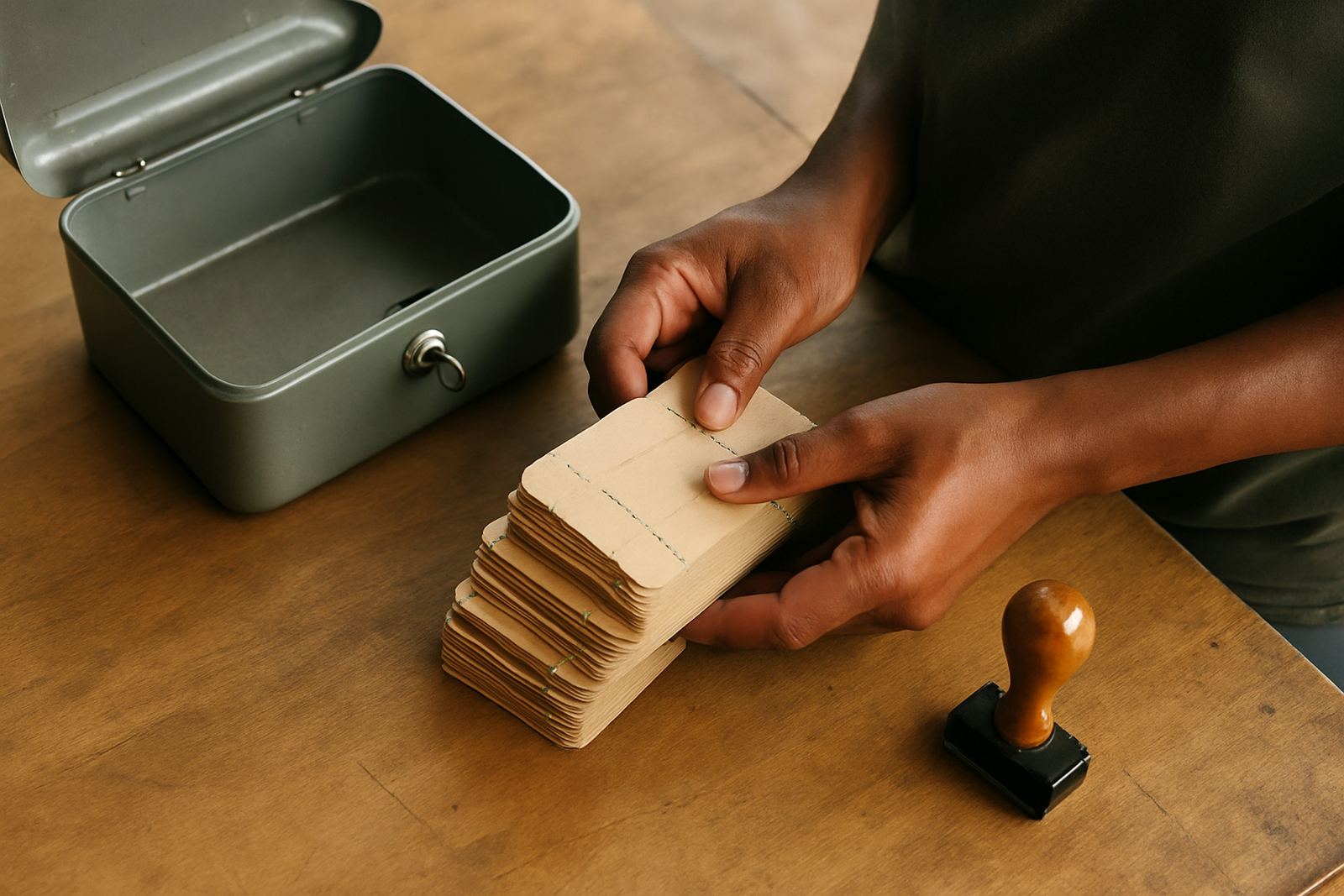
We supplied the job as pre-cut ticket sets with controlled quantities per bundle. That allowed the organisers to issue books to sellers and keep a simple record of what had gone out. It also made reconciliation easier after the event, especially where cash sales and admissions had to be matched up. In practical terms, this meant less sorting later and fewer questions on the day.
- Digital print for quick turnaround
- Pre-cut ticket sets for easy distribution
- Controlled bundle counts for issue records
- Suitable for short-run community events
Timeline from brief to collection
The full job moved through the process in one week, from first contact to final collection. The client brought the event details, the count requirements and the wording they wanted on the ticket. We then checked the layout, set the sequence and returned proofs for approval before printing.
Because the event date was fixed, timing had to be tight. We planned the work so the tickets were ready well before the fundraiser weekend, which gave the organisers time to sort sellers and confirm stock. There was no room for delay here, especially with several people handling the books and the venue running on a fixed programme.
- Week 1: brief, layout, proofing and print
- Ready before the event date
- Collection arranged from our Randfontein CBD base
What the organiser needed on the day
The fundraiser team needed tickets that could do more than just look neat. They had to support entry control, sales tracking and post event checking without creating admin problems. That meant the print had to be reliable, the numbering readable and the quantity supplied exact. We made sure the finished tickets matched those needs, and the result was a simple system the volunteers could follow without confusion.
The event ran with numbered admission checks and the ticket stock held up well through handling at the gate. The organiser was able to compare sales and remaining stock with far less fuss than they expected. In situations like this, good printing saves time because staff are not guessing, they are counting. That is the value of getting the setup right from the start.
What we would repeat for the next fundraiser
If we were doing this kind of project again, we would follow the same approach: lock in the numbering plan early, keep the layout uncluttered and print only the quantity needed. For community events in Westonaria, Krugersdorp, Mogale City or Roodepoort, that approach keeps costs sensible and makes the handover easier for everyone involved. It also works well when load-shedding or last minute venue changes put pressure on the schedule.
We would also keep the proofing stage tight, with one clear sign-off before print, so there is no confusion later. For small event teams, that is usually the best way to avoid waste and keep control of every ticket. A tidy system, a proper count and a clean final pack are still the basics that matter most, and this job proved it again.
- Best practice: confirm numbering before print
- Keep ticket wording short and clear
- Match quantity exactly to the event plan
- Use proofing to catch errors early
Key facts
| Project | Westonaria event tickets for a local fundraiser |
|---|---|
| Town | Westonaria, West Rand |
| Print type | Numbered digital event tickets |
| Turnaround | 1 week from brief to collection |
| Control | Strict quantity tracking and bundle counting |
| Use case | Advance sales and gate admission checks |