What lamination actually does for printed work
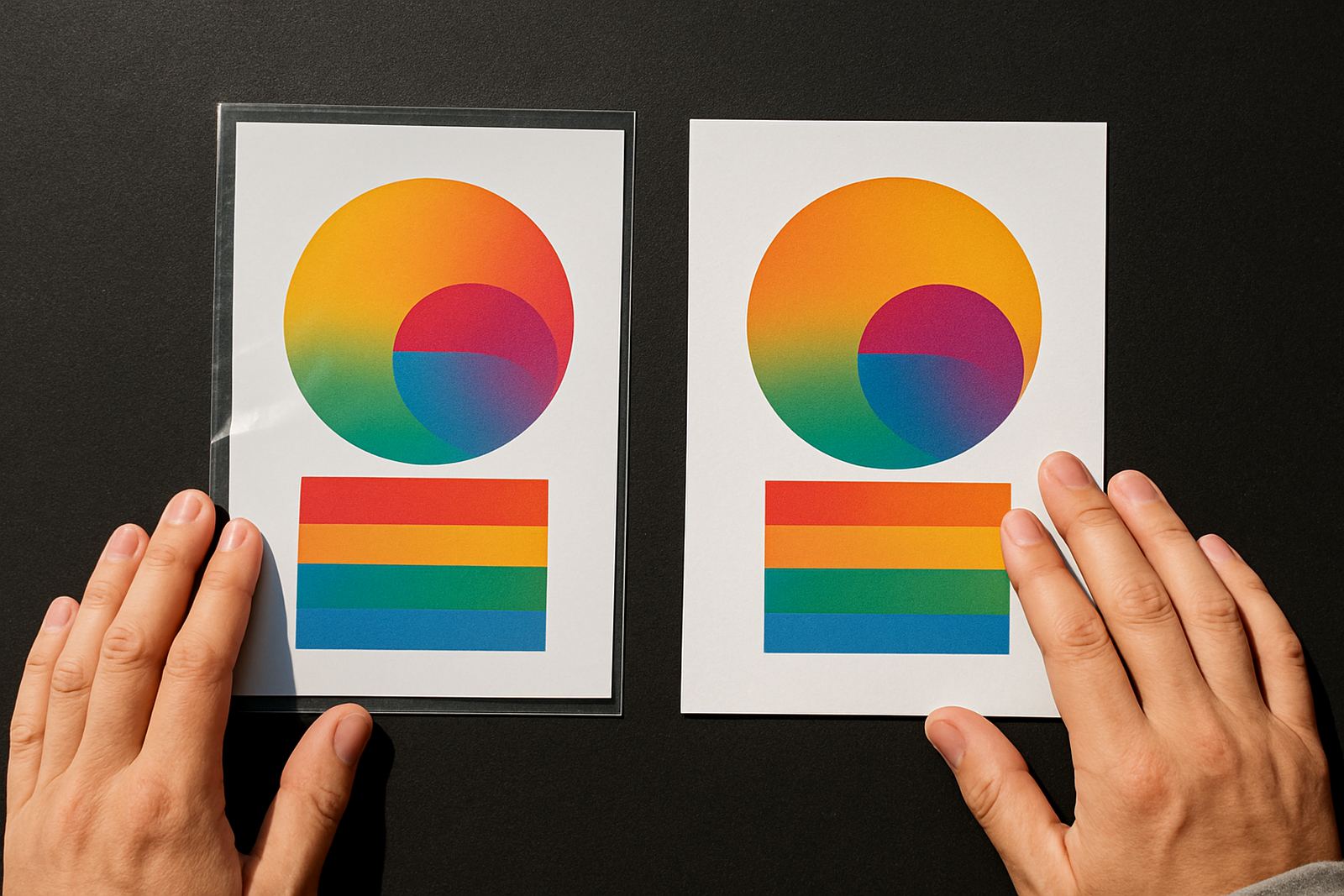
Lamination adds a clear protective layer over printed material after the ink has cured. That layer helps resist scuffing, fingerprints, light moisture and general wear from being passed around, packed away, or displayed in busy areas. It can also change the feel of the item, giving it a smoother finish or a more matte look depending on the film used.
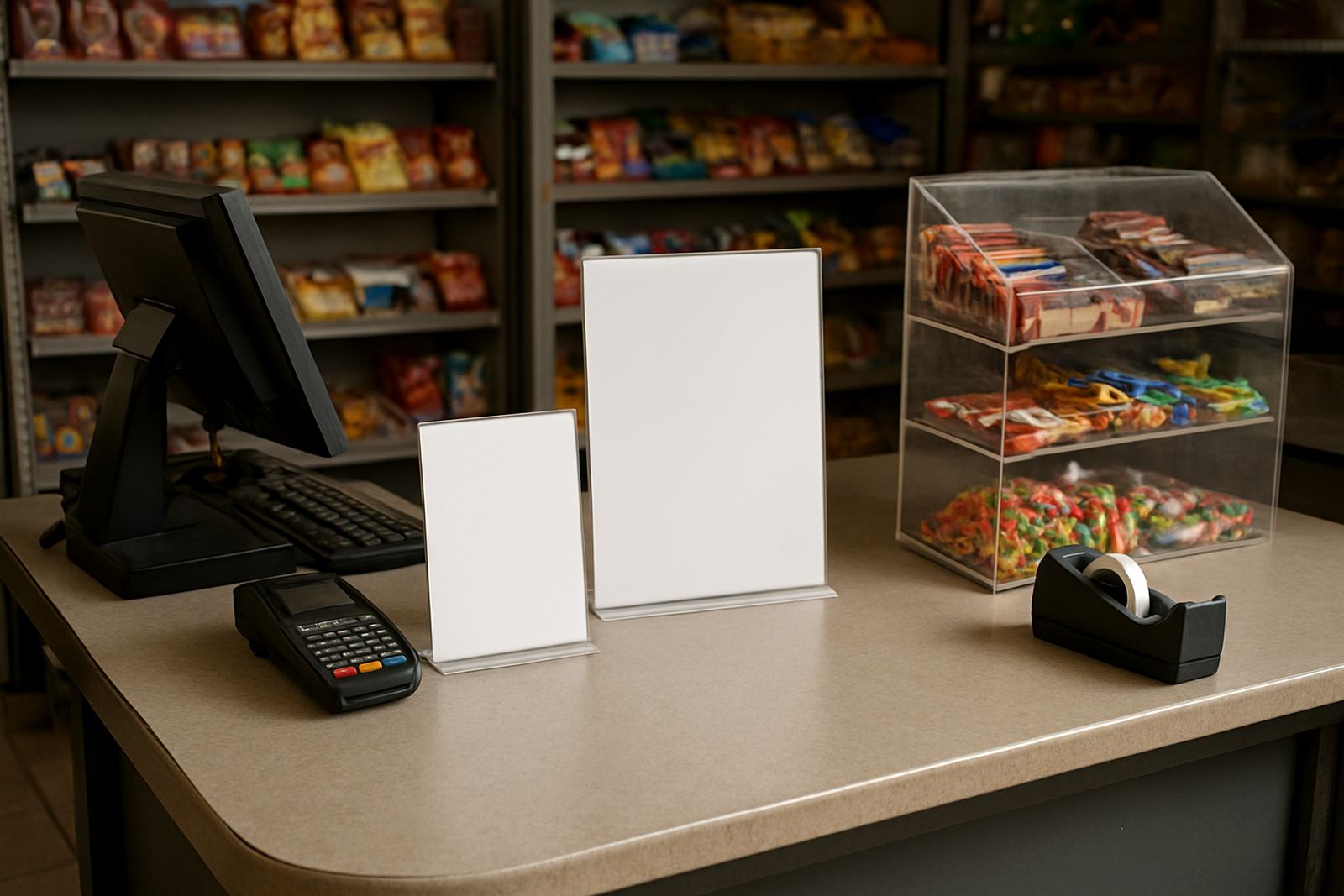
For a Randfontein business, that matters more than many people expect. A flyer handed out at a weekend market may only need to look good for a few days, but a takeaway menu, loyalty card or notice for a shop counter may be handled many times a day. In those cases lamination gives the print job a better chance of staying neat and legible.
- Helps printed items last longer under handling
- Protects against small spills and damp conditions
- Improves presentation on customer-facing material
- Can reduce curling on some lighter paper stocks
When lamination is worth the extra cost
Not every print job needs it. If you are printing a once-off event flyer or short-run notice that will be used indoors for a single day, plain digital print is often enough. Lamination becomes a better choice when the item will be touched often, moved from place to place, or used where dust, steam or moisture may be present.
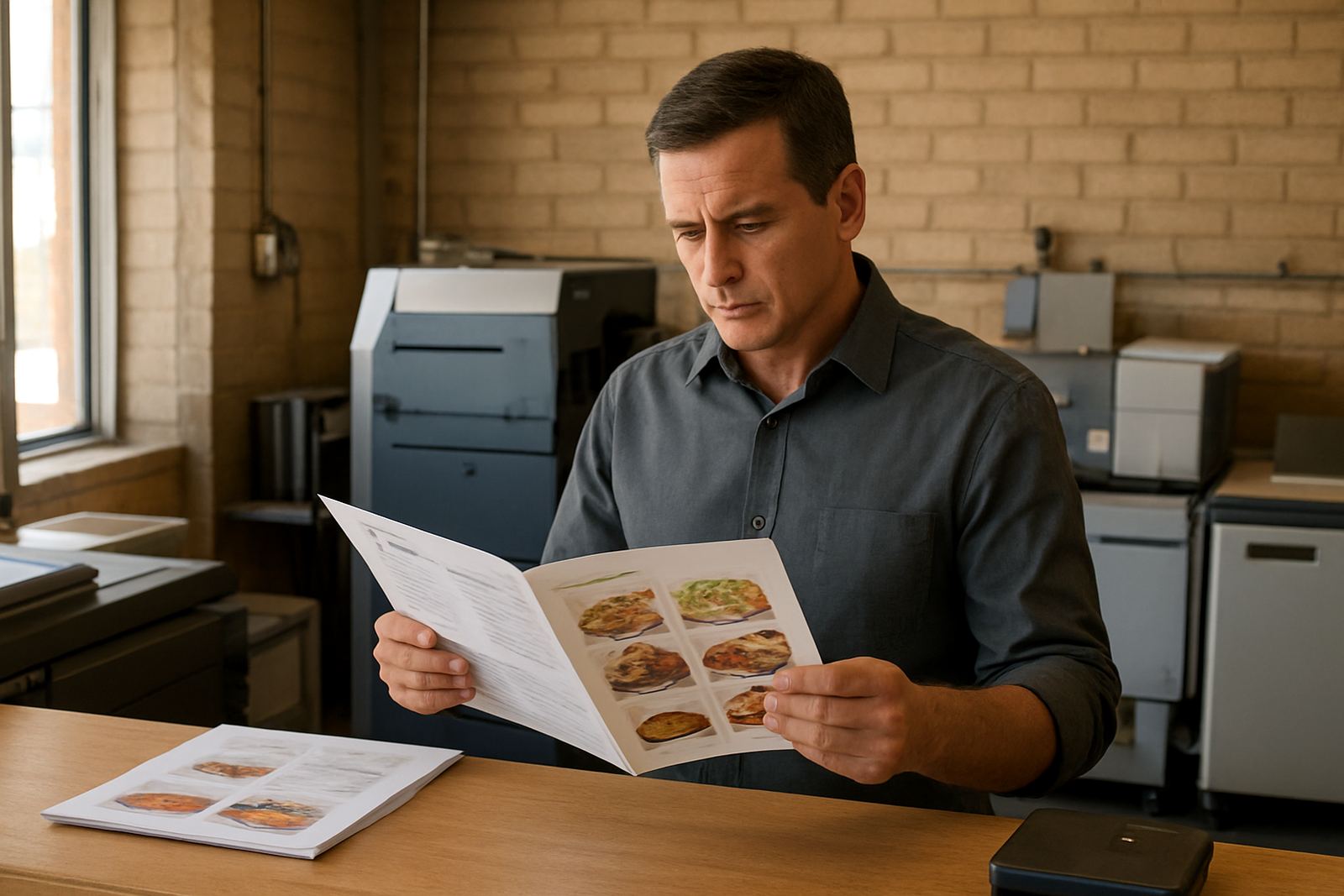
Menus in cafés, appointment cards, price lists near a service counter and small outdoor signs are common examples. A laminated item can also save money over time if it means you do not need to reprint as often. That is why many West Rand clients choose it for materials that must stay tidy for months not hours.
- Good choice for menus and price lists
- Useful for training sheets and notices used daily
- Worth considering for outdoor or semi-outdoor display
- Practical for repeated transport between sites
Business cards, flyers and posters: different jobs, different needs
Business cards benefit from lamination when you want a stronger feel and better protection during networking. A laminated card can survive a pocket, handbag or files folder better than an uncoated one. For a company meeting contractors in Krugersdorp or dropping off quotes in Roodepoort, that kind of finish can help the card stay sharp until the customer needs it.
Flyers and posters are a little different. Many flyers are printed for a short campaign, so lamination is not always practical. Posters that will be fixed up in a foyer, display window or reception area may need a laminated surface if people are likely to touch them or if the area gets warm and humid. In summer, even a neat poster can look tired quickly if it is near a kitchen, doorway or busy passage.
For banners and larger signs, lamination is often used selectively. Not every banner needs it, but where the material will be reused or stored between events, protection can help prevent edge wear and surface marking.
Coastal humidity, dust and load-shedding all play a part
West Rand businesses do not deal with the same conditions as every other part of the country, but they do face plenty of everyday wear. Dust from roads and foot traffic, kitchens with moisture in the air, and storage areas that are not climate controlled can all affect print quality over time. A laminated surface is easier to wipe down and keeps smudges from setting in so quickly.
Load-shedding also matters more than people think. If your printed items are used in reception areas, sales counters or stock rooms, light changes and extra handling during outages can make them look worn faster. Lamination will not solve every problem, but it does add a practical layer of protection when a business has to keep going through interruptions and maybe a bit of pressure too.
For shops in Randfontein CBD, Greenhills or Toekomsrus, that can mean the difference between a menu that still looks clean at month end and one that starts looking tired after a few busy weekends.
Choosing between gloss, matte and when to skip it
Gloss lamination gives print a brighter, slightly shiny finish. It suits full-colour artwork, promotional pieces and items that must stand out under indoor lighting. Matte lamination gives a softer look and reduces glare, which is useful for menus, presentation sheets and signage that people need to read clearly under fluorescent lights or sunlight.
There is also a good case for skipping lamination entirely on certain jobs. If you need to write on the item later, or if the piece is meant for very short-term use, a coated or uncoated stock may be more practical. The key is to match the finish to how the item will be used, not just how it looks on collection day.
- Gloss for stronger colour and a brighter finish
- Matte for low glare and easier reading
- No lamination when writing space is needed
- Reinforced covers for frequently handled documents
A local example from the West Rand
A small takeaway in Mogale City needed menus for staff at the counter and a few copies for delivery drivers to carry. The first set, printed without lamination, lasted only a short while before the corners curled and the surface marked up from constant use. The second set was laminated in a matte finish, and the owner could wipe them down each day with a cloth. It cost a little more at the start, but the menus stayed neat for far longer and the team stopped replacing them every few weeks.
That kind of choice is common for West Rand businesses that deal with public contact all day. If the job is going to be touched, cleaned or moved around, lamination usually earns its place. If it is a one-day promotion, not so much. The point is to spend where it will actually help, not on every item by default.
At @Print in Randfontein CBD, we help businesses decide where lamination makes sense for business cards, flyers, posters, banners and stickers, as well as menus, forms and other everyday print pieces. With quick-turnaround digital printing and design support for Randfontein, Krugersdorp, Westonaria, Mogale City and Roodepoort, the aim is simple: print what suits the job and finishes that hold up in real use.