
Why smaller quantities make practical sense
Many businesses still order print in bulk because it feels cheaper on paper. The unit price does usually drop as the quantity goes up, but the real cost is not only what you pay at the counter. It is also what you throw away, what goes out of date and what you have to store for weeks or months. A shorter run can be the better choice when your offer changes often, your team grows slowly or your campaign has a tight window.
For West Rand businesses, low run printing gives breathing room. If you are launching a new branch in Randfontein CBD, running a weekend special in Krugersdorp, or testing a flyer for Mogale City, you do not need 5 000 copies before you know whether the message works. A smaller first run lets you check response first, then reorder with better detail and less waste.
How lower quantities protect cash flow
Printing is part of your working capital. The more stock you hold the more money sits in boxes instead of in the business. That matters when you are paying wages, transport, municipal accounts and supplier deposits at the same time. A low run order keeps the spend aligned to actual need, which is especially useful for businesses that trade month to month.
There is also less risk of paying for artwork changes twice. If your prices shift, your trading hours change, or a contact point is updated, a short run means you can amend the file and print again without writing off a large batch. That kind of flexibility is useful for service businesses, community groups and retailers working around load-shedding or event changes.
- Less cash tied up in unused print stock
- Fewer outdated leaflets, cards or menus
- Lower risk when offers, prices or staff details change
- Better control over monthly marketing spend
Campaigns stay current instead of going stale
Marketing changes quickly in a township, CBD or industrial area. A poster that made sense last month may already be off target if your stock has changed or your seasonal offer has ended. Shorter runs let you adjust your message as often as needed, whether that means a new price, a fresh image, or a different call to action.
This is where low run print works well for flyers, posters, stickers and business cards. You can test one design in Greenhills, then refine it for Toekomsrus or Mohlakeng if response is better in one area than another. That is far more useful than printing a large batch and hoping the first version stays relevant for the whole quarter. It also helps when you are supporting a promotion that runs only for a school term, a payday weekend or a local market day.
The waste you do not see at first
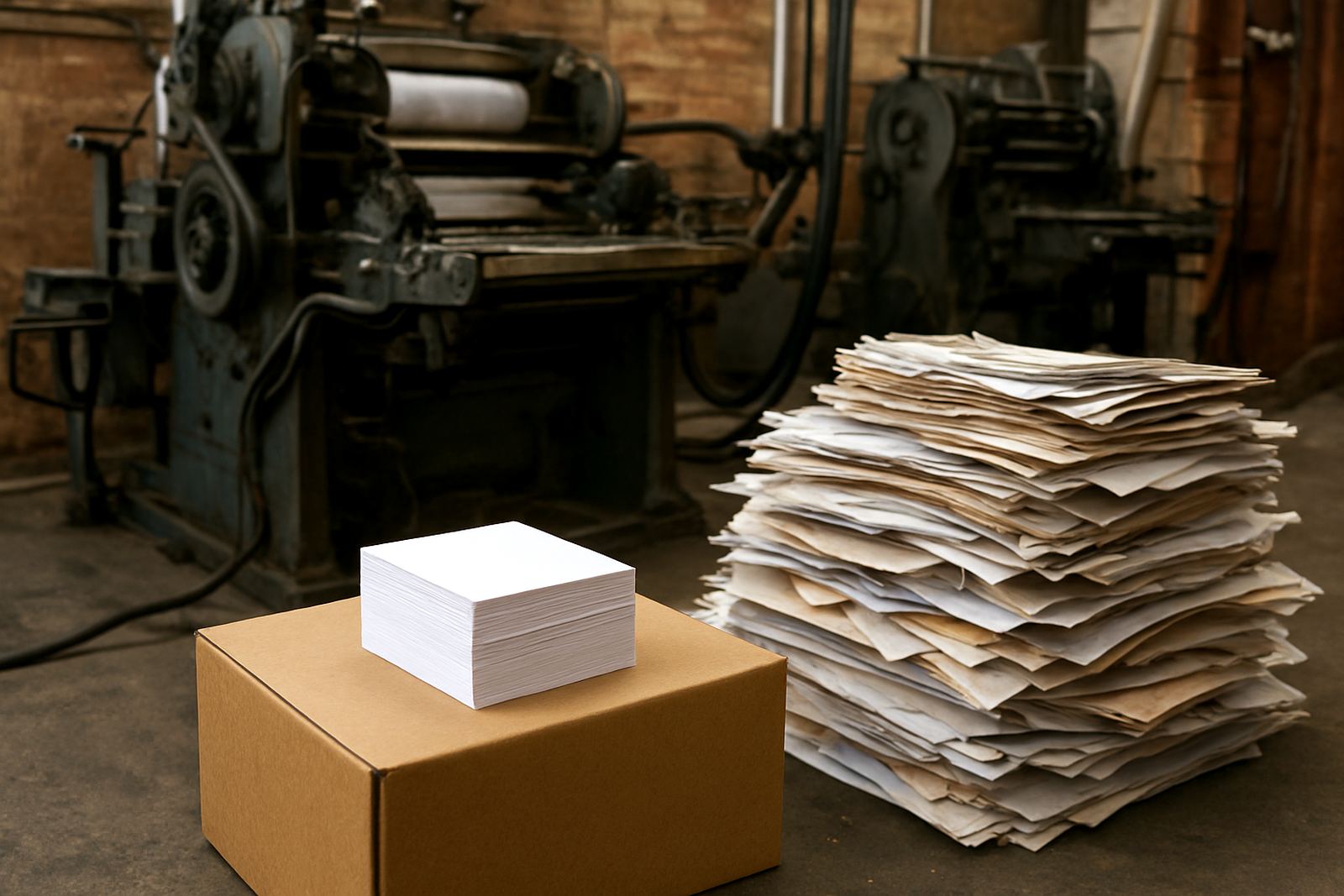
Waste is not only spoiled paper. It also includes storage space, damaged packs, faded stock and designs that no longer fit your offer. In a humid coastal area older print can curl or mark, and even inland stock can pick up dust, scuffs and moisture if it is kept in a busy store room. Short runs reduce the chance of that happening because the stock moves faster.
There is a common mistake where businesses order far more brochures than they can distribute. By the time a second round of handing out begins, the price list has changed or the main product is sold out. That is wasted money and wasted effort. Smaller runs help you match print volume to real foot traffic, actual events and the pace of your sales team. It also makes stock counts easier at month end, especially when several staff members handle handouts.
- Less damage from storage and handling
- Lower chance of holding outdated prices or services
- Less clutter in the office, shop or vehicle
- Better match between print volume and real distribution
Where short runs work best for West Rand businesses
Not every item needs a large quantity. Some print pieces should be kept tight and current, while others can be ordered in a larger batch if the details stay fixed for months. For many Randfontein businesses, the best approach is to split print into two groups. High change items are printed in smaller numbers. Stable items are printed in planned volumes.
Short runs are often the right choice for launch work, promotions and local area marketing. They are also useful when you want to avoid overcommitting while a campaign is being tested. For example, a supplier in Roodepoort may start with a limited flyer run for a new offer, then increase the quantity once enquiry numbers improve. That keeps the message sharp and the spend sensible.
- Business cards for new staff or updated details
- Flyers for limited promotions or seasonal specials
- Posters for events, openings or price changes
- Stickers for packaging, labels or short-term branding
- Menus and brochures where items or rates change often
A local Randfontein example that makes the point
Picture a small services business based in Randfontein CBD that works across Mogale City and Westonaria. The owner wants flyer drops for a new special, but the offer will only run for three weeks. Rather than print thousands, the business orders a smaller batch, distributes them quickly and checks response in the first week. If the offer picks up, a second run is prepared with the best-performing wording and a cleaner layout.
That kind of approach saves money and also protects the message. It means the business is not sitting on old flyers once the promotion ends. It also makes it easier to work around municipal event approvals, weather changes, road closures or any last-minute shifts in trading times. In practice, short runs give the business room to move without wasting print stock that no longer serves a purpose.
Getting better value from every low run order
Short run printing works best when the artwork is prepared properly from the start. Clear copy, correct sizes and print-ready files reduce delays and keep each reprint clean. If you know the campaign may change, keep the layout simple enough to update fast. That way, the next run can be adjusted without rebuilding everything from scratch.
At @Print in Randfontein, low run orders are often the smart choice for businesses that need quick turnaround across the West Rand. A short run can still be neat, useful and professional, provided the design is sound and the quantities are chosen with the campaign in mind. The point is not to print less for its own sake. It is to print what you can use, when you can use it, with less waste and better timing.
- Use smaller quantities for trial campaigns
- Keep offer-driven print separate from long-life print
- Update artwork before reordering
- Match quantity to distribution, not guesswork