
What the contractor needed on active Mogale City sites
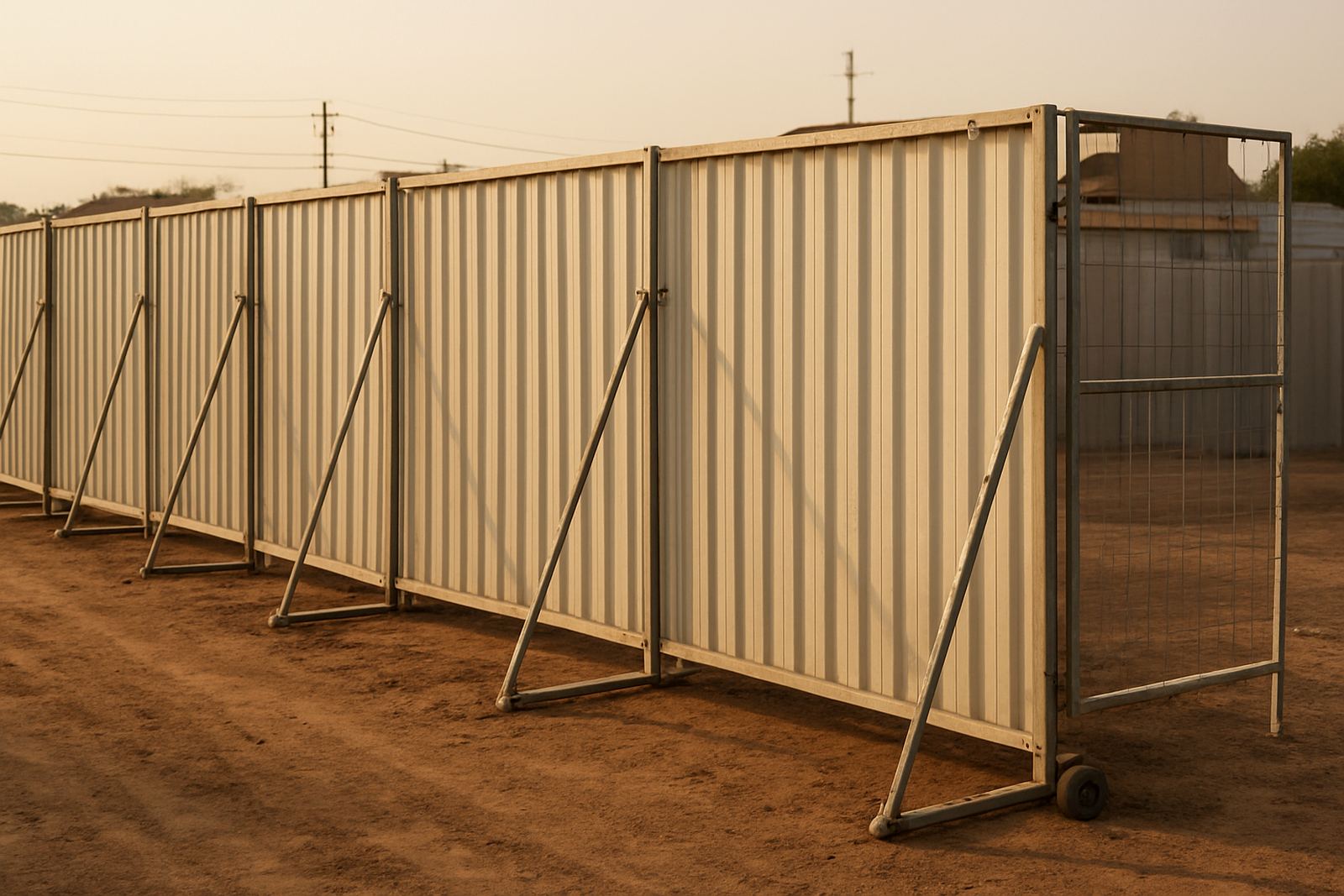
This project came from a contractor managing several live jobs across Mogale City, with boards needed for street-facing sites, boundary fences and temporary notices. The brief was simple in principle but tight in practice: get the boards printed fast, make the wording easy to read from the roadside, and keep the setup consistent so the client could move from one site to the next without having to redo the layout each time.
Because the sites were active, the boards had to cope with dust, wind and sun, and still hold up long enough for the job phase. The client also needed a format that worked for both small plots and larger perimeter fence runs, so the artwork had to scale neatly without losing clarity. We prepared the boards to suit contractor use, not just one-off advertising, which meant keeping the copy direct and the visual structure easy to repeat.
- Client type: building contractor with multiple active sites
- Area served: Mogale City and surrounding West Rand work zones
- Main need: clear job signage for temporary site use
- Priority: quick turnaround with consistent layout across multiple boards
Artwork, wording and the practical layout decisions
The first part of the job was getting the wording right for each board. Site signage needs to be direct, because people usually read it while driving or walking past at speed. We kept the copy short, the main message large, and the supporting details in a smaller but still legible size. For this contractor, that meant using a clean hierarchy that could carry the project name, safety message, contact point and any required notice wording without crowding the board.
Our graphic work focused on readability and repeat use. We set up the artwork so updates could be made quickly when a new site name or message was required, and we checked alignment carefully before print. A board that looks fine on screen can fail on the fence if the text is too close to the edge or the contrast is too soft. We corrected spacing, adjusted line breaks and checked the final proof before release.
- Artwork supplied as print ready files after proofing
- Large text treatment for roadside visibility
- Space allowed for changes on repeat jobs
- Layout kept simple to reduce errors on site
Correx boards, size choices and finishing details
We printed the boards on 3mm correx, which is a practical choice for temporary site use because it is light, easy to mount and cost effective when a contractor needs several boards at once. The material also works well for short to medium term outdoor use when fixed properly to a fence, wall or frame. For this job, the most common sizes were 600 x 900 mm and 900 x 1200 mm, with a few larger boards where the client wanted stronger roadside presence.
We cut the boards cleanly and prepared them for standard fixing. That included drilling where needed and making sure the edges were neat enough for handling by site teams. The print was set up for strong contrast so the message stayed visible even in bright sunlight. Where the artwork needed heavier blocks or borders, we watched for clean coverage so the boards did not look patchy once installed.
- Material: 3mm correx
- Common formats: 600 x 900 mm and 900 x 1200 mm
- Outdoor suitable for temporary construction use
- Finishing: clean cut edges with fixing options prepared to suit site crews
Turnaround over two weeks and how we handled changes
The full project ran over two weeks from first brief to final delivery. In week one we took the initial details, cleaned up the artwork and sent proofs back for approval. A few wording changes came through after the first round, which is normal on active contractor work because site conditions and notice requirements can change quickly. We updated those files without slowing the schedule.
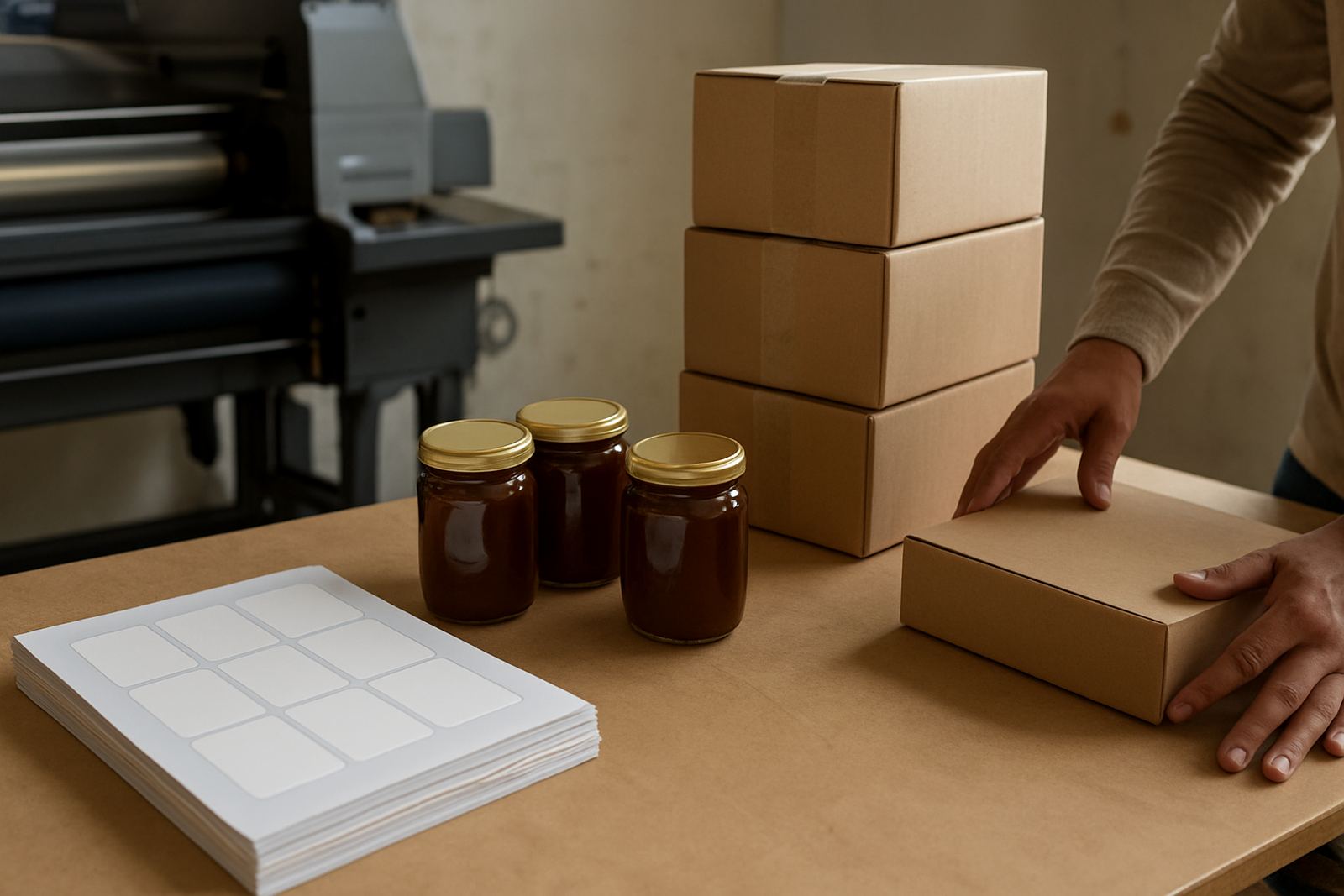
In week two we moved into print and finishing, then staged the completed boards for collection. The client needed boards for different sites at different times, so we split the work into a practical release plan instead of trying to force everything into one bundle. That helped the team get the first boards up while the later ones were still being finalised. It also reduced waste, since changes were made before full print rather than after.
- Timeline: 2 weeks from brief to delivery
- Proofing done before final print release
- Phased production for staggered site rollouts
- Changes handled before material was committed to print
Why the boards worked on site
The result was a set of site boards that did their job without fuss. They were clear from a distance, easy to put up and practical for a contractor juggling several active locations. The client could move boards between sites, replace damaged ones, and keep the messaging consistent across Mogale City. That consistency matters on the ground, especially when the public, subcontractors and inspectors all need to identify a site quickly.
The boards also helped present the work in a more organised way. Even when the site itself was busy, the signage made it obvious who was responsible and what stage the project was at. For a contractor, that saves time and avoids repeated explanations. It also gives the job a more professional front, which helps when the site sits on a main road or near a residential boundary.
From our side, the job showed why simple materials and disciplined layout still matter. Not every site needs a complicated print solution. Sometimes the right answer is a board that is sized properly, reads well and is ready when the team needs it.
What we would do again for similar contractor work
If we were repeating this type of job for another contractor in Mogale City, Westonaria or Roodepoort, we would follow the same method: short brief, clear proof, fast approval and staggered print release. That process suits active projects where site details can shift while work is already under way. We would also keep the file structure flexible so new board names or updates can be dropped into the same layout without having to start over.
For clients running multiple sites, we would recommend batching the boards by location and priority. That makes the installation easier for the crew and gives the office team a better handle on what has been printed, delivered and mounted. In this case that approach worked well, and it kept the pressure off the contractor team during a busy period.
- Best for multi-site contractors needing repeat signage
- Works well when site details change during the project
- Good fit for temporary outdoor notices and fence boards
- Useful when quick reprints are needed for new jobs or replacements
Key facts
| Project | Mogale City site boards for a multi-site contractor |
|---|---|
| Material | 3mm correx |
| Common board sizes | 600 x 900 mm and 900 x 1200 mm |
| Use | Temporary outdoor site signage for active jobs |
| Timeline | 2 weeks from brief to final delivery |
| Service focus | Artwork cleanup, proofing, printing and finishing |